Every project tells its own story now
A project used to be a folder of tasks. Now it keeps a running story of what got done, what got decided, and who came and went, written in plain language you can actually read. Open a project and you get where it stands, not just the to-do list.
Mitch Kessler
Founder
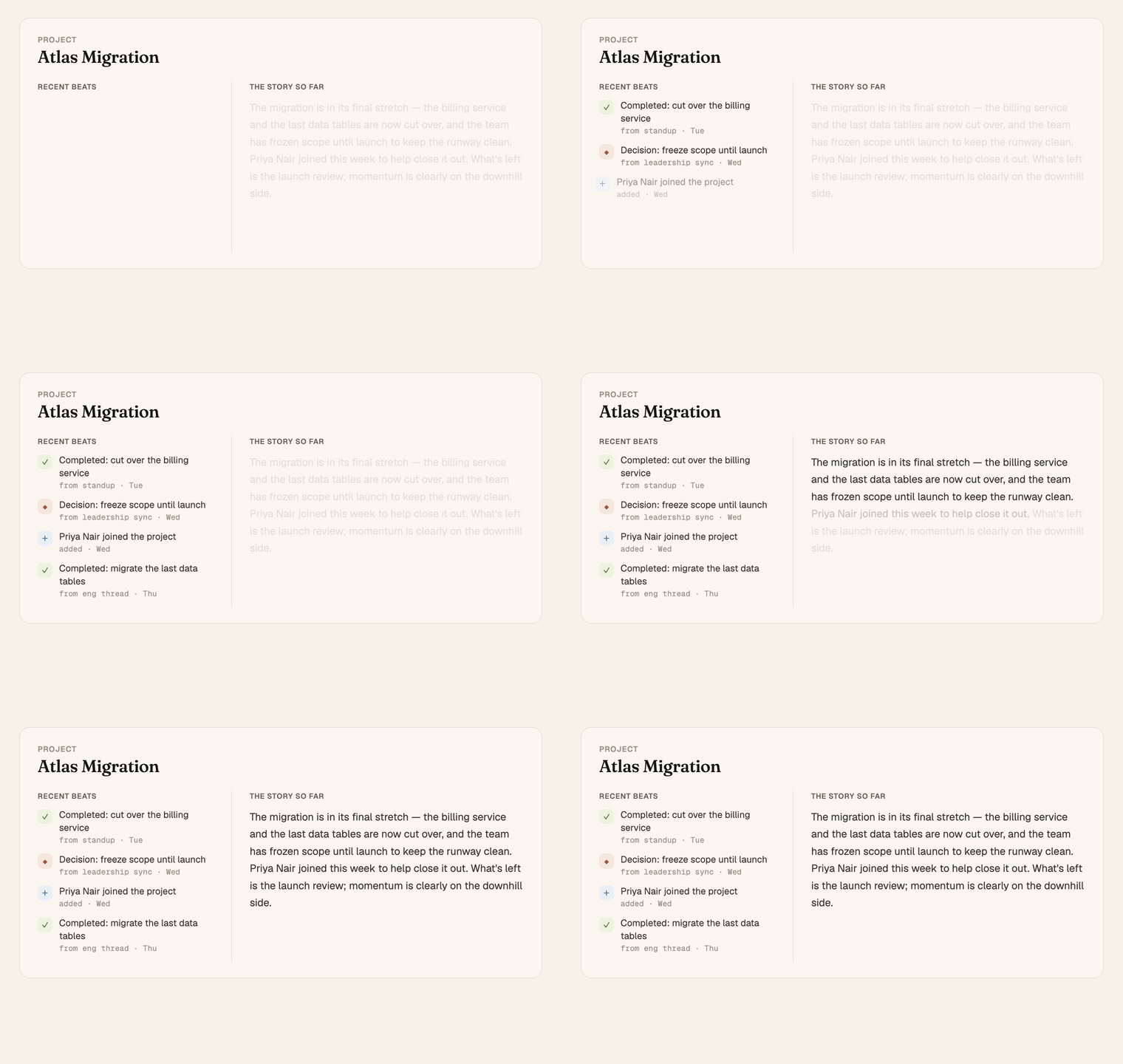
You open a project after a week away and you're piecing it back together from fragments. A task list tells you what's left, not what happened. Which decisions got made? Who joined? What moved while you were gone? The project was a container, and the container couldn't tell you anything.
Projects narrate themselves now.
A story, not a status field
As the work moves, the project keeps track of what actually happens: a task finished, a decision made, someone joining or leaving, and where each one came from, the meeting, the thread, the reason.
Then Chief turns all of it into a few plain sentences. Not a changelog, not a wall of timestamps, the kind of catch-up a sharp teammate would give you in the hallway: here's where it stands, here's what moved, here's what got decided and why.
What you get back
- Momentum, not a count. Tasks finishing and dropping read as progress, so you feel where the work is headed instead of tallying it.
- The decisions, in context. What got decided shows up in the story where it actually matters, not buried in a log.
- The cast. Who joined, who left, so you always know who's on it.
A dozen scattered updates across a week become one paragraph you can read in ten seconds and actually get.
Where you see it
Open any project. The summary at the top is the story so far, kept current as the work moves. Want it caught up on the spot? Hit refresh on the summary and Chief re-reads what's happened since.